
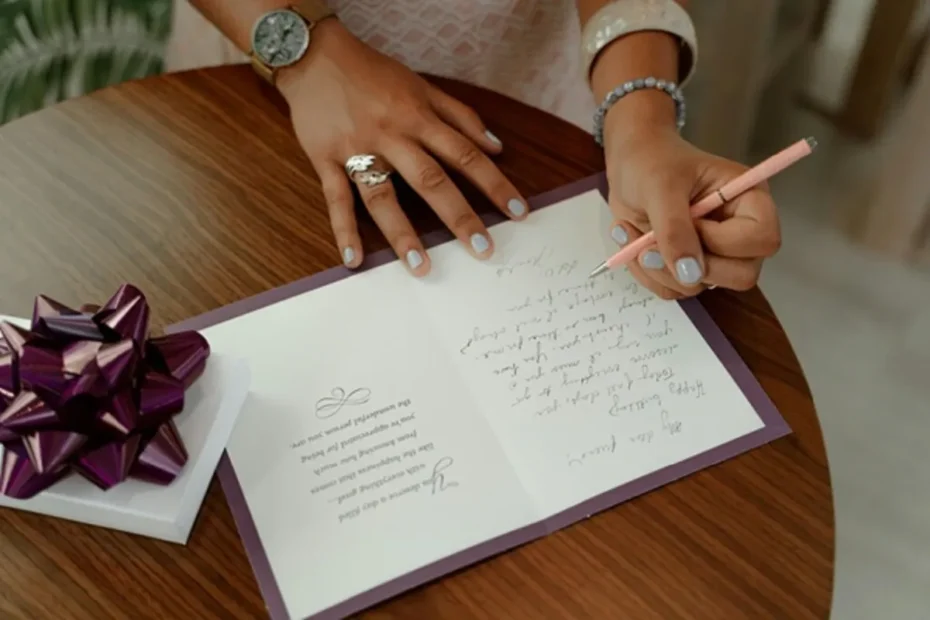
Here’s the thing about group cards: they usually read like a zombie apocalypse of Good luck! And you rock! messages that nobody remembers five minutes later. You’ve seen it. That endless scroll of polite nothingness. But here’s what most people miss: you can break through that noise with just a few smart moves. Whether you’re signing off on someone’s retirement card, scribbling birthday wishes for a teammate, or contributing to a sympathy message, your words absolutely can land with weight and warmth. We’re going to walk through practical formulas, tone strategies, actual examples you can steal, and coordination tactics for cards circulating through group ecards, online ecards, and digital greeting cards. Your goal? Make your message the one people remember. A quick reality check: Gallup research has found that workers who receive genuine recognition are 50% more engaged in their jobs. That’s not fluffy HR talk-your words carry real impact. So why does personalisation even matter when thirty other people are signing the same card? Let’s dig into the core principles that turn a cluttered card into something that hits home.
Making shared cards feel personal: how group ecards and digital greeting cards work for you
The unified emotional thread approach
Every successful group card rallies around one clear emotional intention. Are you celebrating? Comforting? Thanking? Welcoming someone new? When messages scatter across different emotional frequencies, like someone cracking jokes right after a heartfelt condolence, the whole card feels off. Lock in the tone before anyone writes a word. That way, everyone travels in the same lane, and the card reads like a chorus instead of chaos.
Your go-to structure: warmth, specifics, forward-looking wish
Here’s a skeleton that never fails. Open with genuine warmth. Drop in a specific detail or memory that proves you know them. Close with something hopeful about their future. Sign your actual name. This framework keeps you brief (essential when 40 people are contributing) while still delivering a complete, human moment.
Many teams now lean on personalized ecards to wrangle contributions in one organized space. It helps keep everyone aligned on tone and timing while letting each message retain its own voice and heart. Now that you understand the emotional-thread concept and the warmth-detail-wish framework, let’s talk about choosing your tone and gauging relationship depth before you type anything.
Try this: You really saved us during that product launch mess in March. Your calm energy kept the team grounded. Whatever comes next for you is going to be incredible; they’re the lucky ones now. Morgan: That’s 35 words. Warmth, proof, optimism, done.
Set yourself up for success: nail the tone, context, and closeness level first
Your tone roadmap (pick your lane before writing)
Most workplace cards live in friendly-professional territory. That’s your default. Then you’ve got casual-intimate for actual friends, formal-polished for executives or clients, and gentle-supportive for illness or loss. Matching tone to context isn’t just politeness—it’s the difference between this person getting it and why is this so awkward?
Relationship tiers tell you what to include
Close colleague or friend? Go specific. Name projects. Reference inside moments (appropriate ones). Call out personal strengths you’ve witnessed firsthand. Casual work acquaintance? Keep it warm but general. You always bring great energy to meetings. Works fine.
Senior leader or client? Polish matters here. Brevity matters more. And watch the personal boundaries. Safe details travel everywhere. Too-personal stuff (family drama, health issues, money talk) belongs in private conversations or not at all.
Cultural awareness and inclusion (most guides skip this)
Don’t assume someone celebrates Christmas, has kids, drinks alcohol, or fits into gendered stereotypes. When you’re working across time zones or global teams, even holiday references can go wrong.
Better move: Hope you get some real rest beats. Enjoy the holiday with your family when you don’t know their situation. Once you’ve nailed your tone and gauged the relationship, it’s time to deploy the specific writing tactics that make messages stick—starting with details that prove you’re paying attention.
Techniques that transform generic into genuine: writing tips that actually work
Start with proof you know them (the I see you opener)
Call out a project they led, a work habit you notice, a quality they demonstrate, or a specific moment you remember.
Templates: The way you handled that frustrated client last Tuesday was masterclass, or I’ll never forget you staying past midnight to help the interns figure out that spreadsheet disaster.
Specifics do the heavy lifting. They whisper, I’m not just filling space, I actually see what you do.
Talk about impact, not just traits
You’re awesome, sounds nice. It also sounds like template text. Better: You created that onboarding checklist that cut training time in half. Impact language roots your message in observable reality. It feels honest because it is. Workplace examples: mentoring newer team members, staying composed when projects implode, explaining complicated things clearly, or just being consistently kind when everyone else is stressed.
Design for scanning (because crowded cards get skimmed)
In large group ecards, aim for 2–5 lines maximum. One thought per line makes mobile reading way easier. White space is your friend. It gives eyes a place to rest and actually increases the odds your message gets read instead of skipped in the scroll.
Warmth has a ceiling-don’t break through it
When you barely know someone, pouring on sentimental language feels weird for everyone. Stick with grounded words: appreciate, grateful, valued, working with you, rooting for you.
They communicate warmth without crossing into performative territory.
Close by facing forward (the next chapter move)
Wish them success, peace, confidence, adventure, rest, health-whatever fits the moment.
Future-facing closes leave people feeling lifted and hopeful instead of dwelling on what’s ending.
Sign off with a little personality (within appropriate bounds)
Instead of just your name, try cheering you on, with real appreciation, Warmly, or Always in your corner. A thoughtful sign-off adds one last human touch that lingers.
These writing techniques get even better when you plug them into battle-tested formulas that remove all the guesswork. Here are three you can customize for any situation in under 90 seconds.
Steal these message formulas (quick, personal, never cringe)
The 4S approach: Specific, Sincere, Short, Signed
Choose one specific detail. Express genuine gratitude or encouragement. Keep it under 50 words. Sign your name. This formula works across contexts-coworkers, clients, managers, friends.
The Memory–Meaning–Wish framework
Recall a moment. Explain what it revealed about them. Wish them something good ahead.
Example: When you jumped in at the last minute to cover that keynote, it showed your commitment to the team. Hoping your next adventure brings you everything you’re looking for.
The Quality–Evidence–Gratitude structure (perfect for corporate ecards for employees)
Name a strength. Back it with workplace evidence. Thank them and add encouragement.
This framework shines during recognition moments, anniversaries, or milestone celebrations-especially in corporate ecards for employees where you want polish without losing personality.
FAQs
1. How should I actually start a heartfelt message?
Use their name plus something specific you value about them. Try: You bring so much thoughtfulness to everything you touch, or Working alongside you has genuinely made this year better.
2. What comforting words work best in sympathy cards?
Go with phrases like You’re not alone in this, There’s no right way to grieve-be gentle with yourself, or You have more strength than you probably feel right now. These messages validate pain while offering quiet support.
3. How long should my contribution be in a group e-card?
Stick to 2-5 lines or about 200-350 characters. When dozens of names are stacking up, shorter messages get read. They respect everyone’s attention while still delivering something meaningful, especially crucial in online ecards, where people are reading on phones and tablets.
Final Thoughts: Your Words Carry Weight
Writing messages that matter in digital greeting cards and birthday e-cards online doesn’t require literary genius. It just takes willingness to be specific, keep it warm, and stay concise.
Use the formulas we covered. Match your tone to the context. Remember that two genuine sentences beat a generic paragraph every single time. Your contribution can genuinely brighten someone’s week, strengthen team bonds, or provide real comfort when things are hard. Don’t underestimate what a few well-chosen words can do in a crowded card. You have more power here than you think.
Read more informational articles on Singular Styles LTD.